
Primark Signs Multi-Year Deal with Circ to Use Recycled Material from Textile Waste in Clothing Lines

International fashion retailer Primark and textile-to-textile recycling company Circ announced a new multi-year offtake agreement, aimed at introducing recycled polyester made from textile waste into Primark clothing beginning in 2029 and reducing the retailer’s reliance on virgin polyester.
The agreement marks Primark’s first multi-year offtake agreement with a textile-to-textile recycler, the company said.

Virginia-based Circ develops technology designed to recycle polycotton blended textiles, which have historically been difficult to recycle, by separating and recovering polyester and cellulose from textile waste for reuse in textile supply chains.
Under the agreement, the recycled polyester supplied to Primark will be produced at Circ’s commercial facility, supporting the company’s first industrial-scale textile-to-textile recycling facility. The plant will source textile feedstock globally, including post-consumer and post-industrial waste, with sourcing from several locations, including European textile waste.
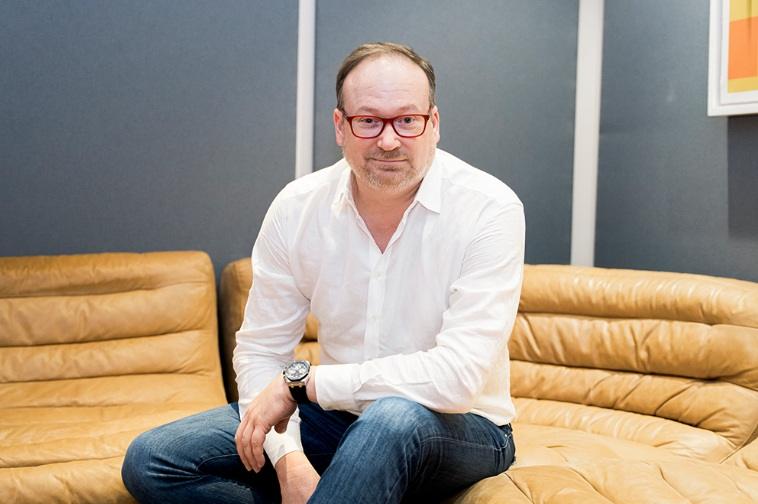
Peter Majeranowski, Circ CEO, said:
“This partnership with Primark represents exactly the kind of long-term commercial commitment needed to move textile-to-textile recycling from innovation to industry standard. When a global fashion retailer commits to integrating recycled materials into future collections, it sends a powerful signal across the industry: the demand is here, the materials are ready, and the opportunity to scale circular material supply chains is real.”
Primark said the agreement supports its efforts to increase the use of circular materials and reduce reliance on virgin polyester. Through its Primark Cares strategy, the company is also working to extend the life of clothes and materials and reduce waste through circular design, reuse and repair initiatives.
Lynn Walker, Director, Primark Cares, said:
“This partnership is an important milestone in accelerating our ambitions to further embed circularity in our business and help scale innovative textile-to-textile recycling solutions that could play a transformational role in the future of fashion.”