U.S. Court Dismisses Missouri Anti-DEI Case Against Starbucks, Finding No Indication “that Discrimination Actually Took Place”

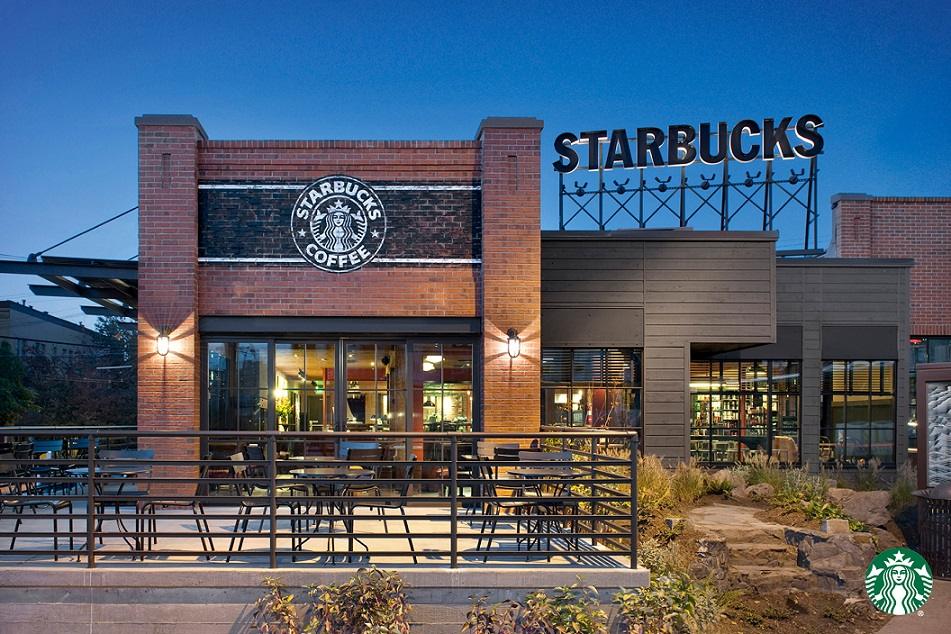
A federal U.S. district court dismissed a discrimination lawsuit filed against Starbucks by the Attorney General of Missouri, which claimed that the coffee giant’s DEI policies unlawfully discriminated against white, male and heterosexual employees, with the ruling noting that the allegations failed to “establish that discrimination actually took place.”
The lawsuit, launched in February 2025 by then-Missouri AG Andrew Bailey, alleged that Starbucks’ DEI policies violated laws prohibiting race discrimination, and that the company enforced race-and-sex-based hiring practices, unlawfully segregated employees, and provided exclusive training and employment benefits to groups based on criteria including race.
Specifically, the suit focused on DEI programs launched by Starbucks in 2020, including goals targeting minority and female representation in corporate and retail roles, and the establishment of mentorship programs connecting Black, Indigenous, and People of Color (BIPOC) employees with senior company leaders.
In the ruling, however, district court Judge John Ross said that the Missouri AG’s allegations “fall far short” of the required standard for the court to advance the case on constitutional grounds, noting that “it is unclear from the complaint whether any Missourian has actually been injured by Defendant’s practices.”
Ross added that the suit “did not point to even a single Missouri resident who lacked “Starbucks’ preferred racial or sex characteristics” and suffered an adverse employment action as a result.
The suit formed part of a series of anti-DEI actions by Republican politicians in the U.S. over the past several years, following a Supreme Court ruling in 2023 that struck down Harvard’s use of race-based affirmative action criteria in college admissions, which led to increased scrutiny over the legality of key aspects of corporate DEI policies.
The pace of the anti-DEI campaign has picked up steam since the election of President Trump, starting with an Executive Order signed by Trump after taking office eliminating DEI preferencing in federal contracting, and requiring contractors to affirm that they “will not engage in illegal discrimination, including illegal DEI.” Most recently, the Equal Employment Opportunity Commission (EEOC), a U.S. federal agency, filed a court action against Nike, investigating the company for allegedly discriminating against white employees through its DEI programs in violation of Title VII of the Civil Rights Act of 1964, a similar claim to that made in the Starbucks case.