Microsoft Signs 1 Million Ton Carbon Removal Deal with U.S. Biochar Company Liferaft

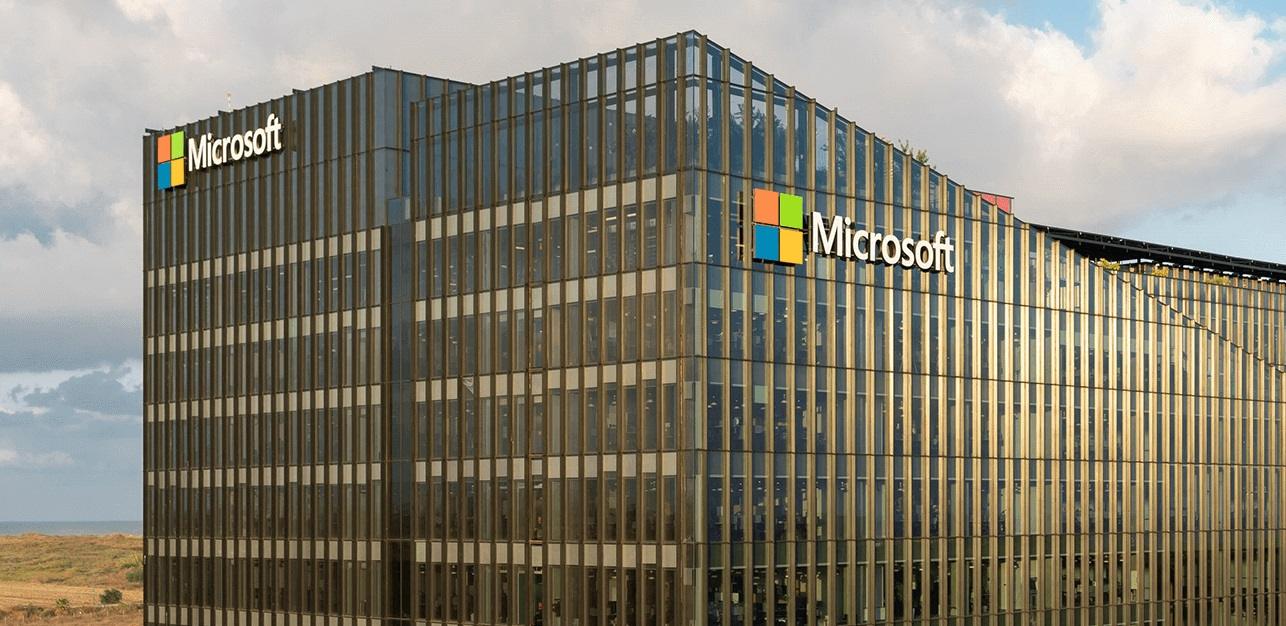
U.S.-based biochar company Liferaft announced that it has signed a long-term offtake deal with Microsoft, with the tech giant agreeing to purchase one million carbon removal units (CRUs) over ten years, generated through biochar projects in the U.S. Midwest.
The deal marks one of the largest biochar-based carbon removal agreements to date, and the largest so far in the U.S.
Biochar, or biological charcoal, is produced by heating biomass, such as forest residue, wood or crop waste, in the absence of oxygen, creating a stable form of carbon, which when buried in soil enables centuries-long carbon sequestration, in addition to leading to improved soil fertility. Biochar is emerging as an increasingly popular solution for carbon removal, providing a series of benefits and favorable attributes, including the ability to lock carbon for hundreds of years, scalability, with an abundance of biomass available, and low cost relative to other CDR technologies, as well as its agricultural benefits.
The CRUs for the new agreement will be delivered through Liferaft’s biochar facilities in Iowa and Illinois. The facilities will source agricultural and municipal biomass from the surrounding region, which will be processed on site using pyrolysis to produce biochar that will be blended with compost to create a biochar compost mix for approved end uses, including agricultural applications. Biochar produced under the agreement will be tracked using monitoring, reporting, and verification (MRV) systems to confirm that it is applied only in approved end uses that ensure long-term carbon storage.
In addition to the carbon removal and soil health benefits, Liferaft also highlighted the potential economic benefits and community impact of the biochar projects, including creating good quality jobs in rural U.S. communities.
Liferaft CEO William Cowell de Gruchy said:
“We are excited to announce this transformative deal with Microsoft, which enables Liferaft to create (and provide training for) many high quality jobs in rural American communities. We are particularly grateful to the people and leaders of West Liberty, Iowa and Muscatine County, Iowa, for their incredible support over the past year of planning.”
Microsoft’s carbon removal program forms part of the company’s climate commitments to become carbon negative by 2030, removing more carbon than it emits, and to remove the amount of carbon it has historically emitted by 2050. The company has emerged as the largest corporate purchaser of carbon removal credits – by a wide margin – recently revealing that it signed agreements to a remove record 45 million metric tonnes of carbon dioxide in 2025, and already announcing a series of large-scale deals this year.
Phillip Goodman, Director, Carbon Removal at Microsoft said:
“Liferaft has strong plans for putting locally available biomass waste to productive use, generating local jobs, and supporting farmers and land managers. This demonstrates how carbon removal can strengthen agricultural communities, improve land outcomes, and deliver durable climate impact.”
Liferaft said that the new offtake agreement was facilitated by carbon removal marketplace Supercritical, which it added supported Liferaft during the early stages of project design ensuring needed scale and robust MRV protocols to meet Microsoft’s standards.