
Moment Energy Raises $40 Million to Power Data Centers, Industry with Used EV Batteries

Cleantech energy company Moment Energy announced that it has raised $40 million in a Series B funding round, with proceeds from the financing to be used to scale its production of energy storage systems made from repurposed EV batteries to meet rapidly growing demand for energy solutions from data centers.
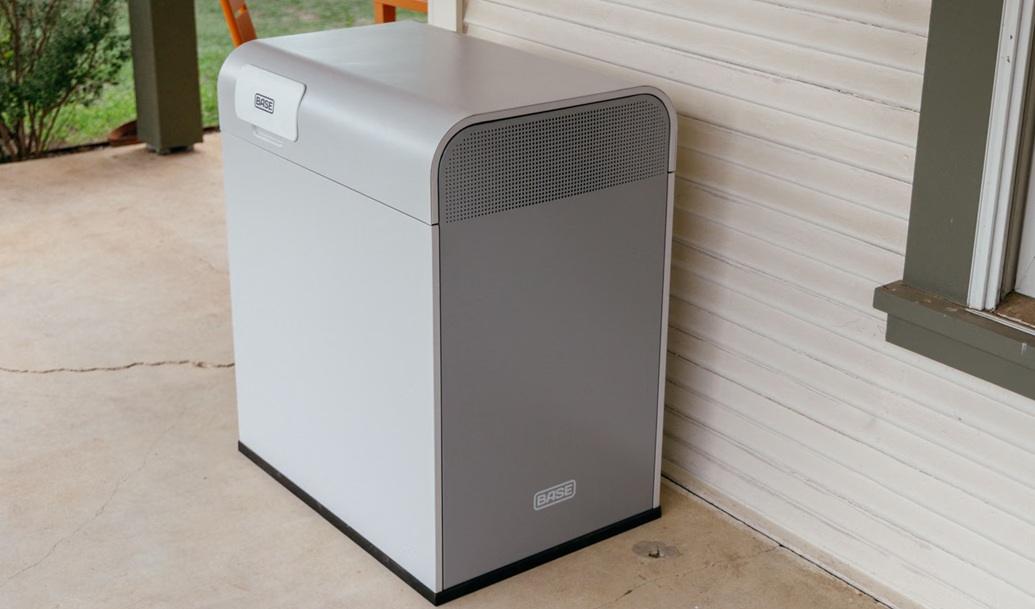
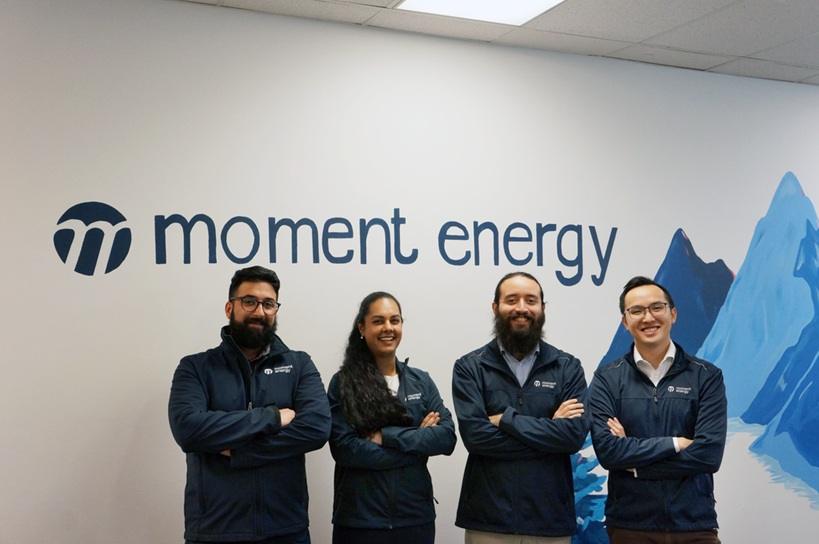
Founded in 2020 by Edward Chiang, Sumreen Rattan, Gabriel Soares, and Gurmesh Sidhu, Vancouver-based Moment Energy manufactures commercial-scale battery energy storage systems (BESS) using repurposed batteries, which the company said reduces battery waste, lowers energy storage costs, and supports grid decarbonization.

The company said that its proprietary pack-swapping architecture extends system lifespan to 30 years, compared to the typical 15-year lifecycle of conventional systems, enabling up to three times lower net costs – as low as 3 cents per kWh for industrial users – when combined with domestic tax incentives.
According to Moment Energy, the funding round comes amid accelerating electricity demand from AI and data centers, placing increasing pressure on aging grid infrastructure and driving growing demand for energy storage solutions, while battery supply chains continue to face long lead times and geopolitical risks.
Edward Chiang, Co-Founder and CEO of Moment Energy said:
“As energy demand continues to increase, Moment Energy is focused on one mission: improving grid resilience and reducing energy costs. We are building a new generation of energy infrastructure that can be deployed rapidly, manufactured domestically, and powered by existing battery resources.”
The new funding round was led by Evok Innovations, with participation from Liberty Mutual Investments, W23 Global Fund, and Acario, alongside existing investors including The Climate Pledge Fund, Voyager Ventures, and In-Q-Tel.
Marty Reed, Partner at Evok Innovations said:
“With a deep understanding of battery health and chemistry, Moment Energy is uniquely positioned to build and deploy high-performance, second-life systems at enormous scale. This is a real-world use case for Physical AI: turning complex data into the reliable energy storage needed to power our future.”