Delta Signs 5-Year Deal with Shell to Expand SAF Supply and Infrastructure at U.S. Airports

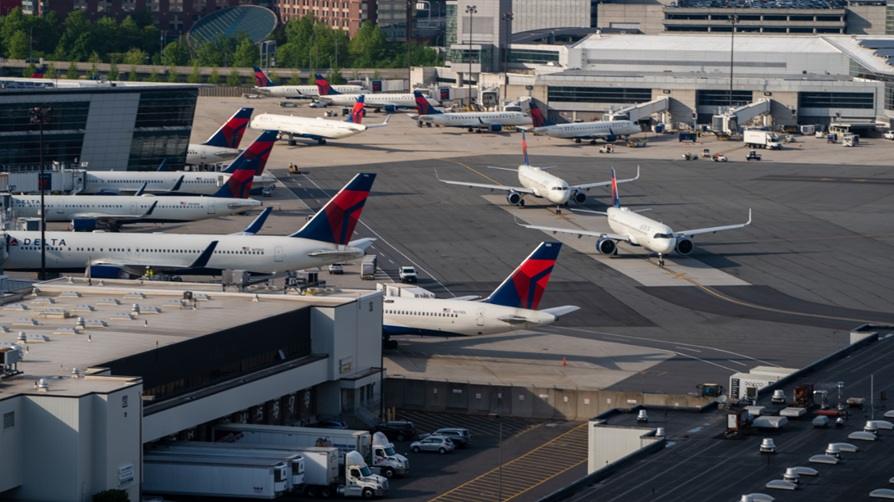
Delta Air Lines announced a new agreement with Shell Aviation, aimed at expanding its use of sustainable aviation fuel (SAF) at key U.S. hubs and priority cities through increased supply and the development of infrastructure to enable the fuel to reach aircraft.
Under the five-year agreement, the two companies said that they will expand the supply of SAF for flights from Los Angeles International Airport (LAX), Portland International Airport (PDX), John F. Kennedy International Airport (JFK), Logan International Airport (BOS) and Minneapolis-St. Paul International Airport (MSP).

Delta recently confirmed that its goal to increase its SAF usage to 10% of fuel by 2030 remains in place, but acknowledged that the technology needed to reach the target has not advanced as rapidly as required, presenting risks for decarbonization ambitions across the airline industry. The company outlined its roadmap in 2023 to achieve its goals to reach net zero emissions by 2050 and provide more sustainable air travel, with the plan focusing largely on the evolution of SAF, as well as on efforts to develop more sustainable aircraft and technologies.
Delta and Shell said that the new agreement, building on a long-term collaboration on conventional jet fuel and existing SAF initiatives between the companies, will support consistent fuel delivery to help integrate SAF into routine airline operations, coming at a critical time for fuel diversification and supply resilience.
Amelia DeLuca, Delta’s Chief Sustainability Officer, said:
“Current instability and uncertainty have made one thing very clear to consumers and businesses alike — supply diversity matters. With Shell, we’re proving that scaling SAF isn’t theoretical, it’s achievable. This is about activating real supply chains at scale and creating a model that others can build on as we work across the industry to expand lower impact travel.”
Under the new agreement, Shell will support both blended and neat SAF deliveries at select hubs and priority cities. The companies added that the collaboration will also focus on how fuel reaches aircraft, by helping to establish the logistics, blending and distribution capabilities required for dependable supply across Delta’s network.
The companies added that they will also work together to evaluate and advance next generation SAF technologies — including alcohol to jet and power to liquid pathways — aimed at unlocking additional supply and further reducing lifecycle emissions.
Reema Bari, Head of Aviation Americas at Shell, said:
“This collaboration delivers on today’s fuel needs and tomorrow’s aviation solutions. By supplying conventional jet, SAF and longer-term innovation, the deal will help strengthen energy security and contribute to the transformation of aviation.”